Introduction: Navigating Egypt's Open-Air Heritage
Egypt's most famous monuments are not locked inside climate-controlled institutions — they are spread across a landscape of desert, floodplain, and river valley that stretches from the Mediterranean coast to the Sudanese border. Visiting them well requires understanding not just their historical significance but the practicalities that govern access: which sites are physically demanding, which involve narrow underground passages, which are significantly exposed to sun, and which are currently affected by ongoing excavation or restoration work.
We have organised this guide by region, moving from the Greater Cairo area south through Luxor and Aswan. For logistical planning, our Day Tours page covers how to combine these sites efficiently within single-day excursions.
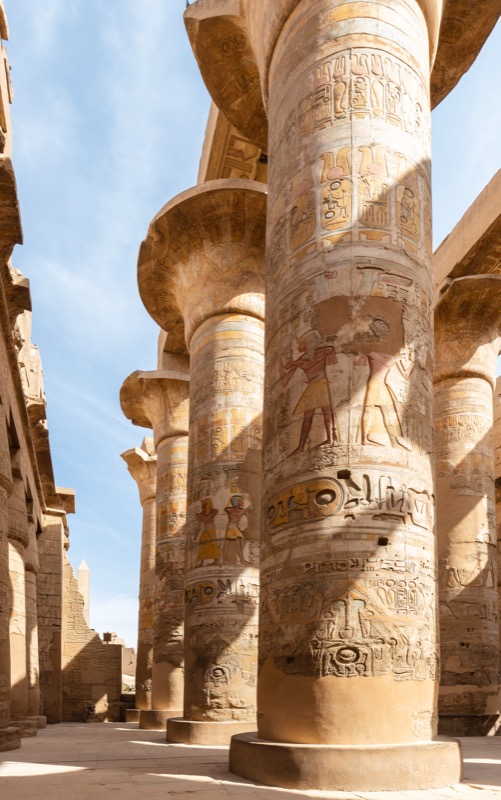
Karnak Temple Complex, Luxor
Open daily 6:00–17:30. Admission: EGP 350. The Sound and Light Show runs three times nightly (check current schedule). Wear closed shoes — the stone floors are uneven. Best access: main Karnak gate on the east bank. Avoid midday in summer.
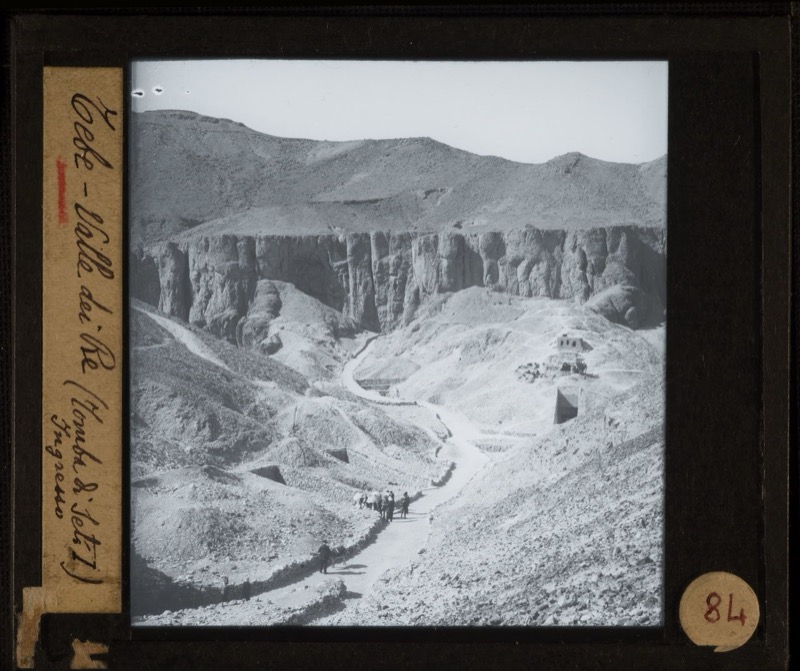
Valley of the Kings, West Bank Luxor
Open daily 6:00–17:00. Standard admission covers 3 tombs (EGP 240). KV17 (Seti I) and KV57 (Horemheb) require separate tickets. Tutankhamun tomb: EGP 300 supplement. No photography inside tombs without paid permit. Accessible by taxi, tuk-tuk, or bicycle from the west bank ferry landing.
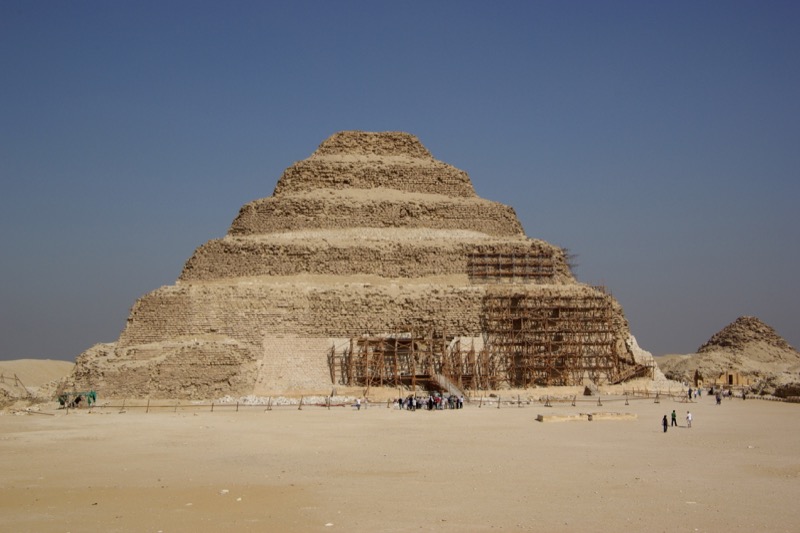
Saqqara Necropolis, South Cairo
Open daily 8:00–17:00. Admission: EGP 300 (includes Step Pyramid precinct, Unas pyramid, selected mastabas). Serapeum: included. Teti pyramid and nobles' tombs: supplement required. The site is large — allow 4 hours minimum. Combine with Memphis open-air museum nearby.
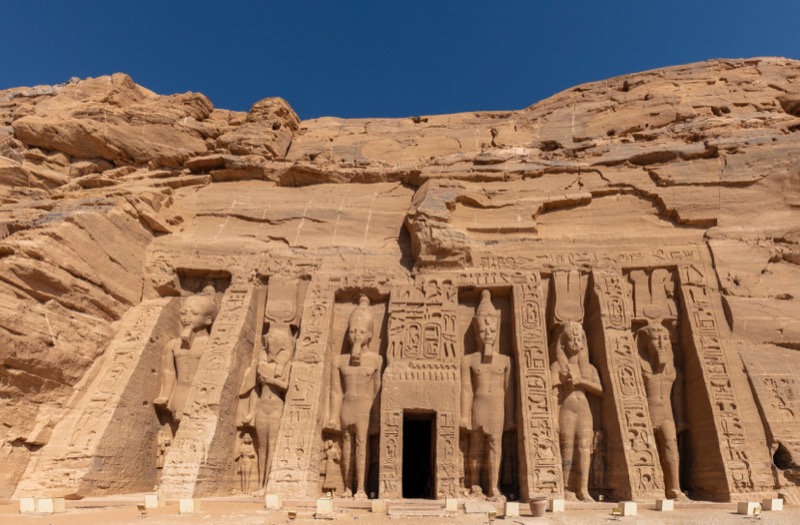
Abu Simbel Temples, Aswan Governorate
Open daily 5:00–18:00. Admission: EGP 360. Solar alignment dates: 22 February and 22 October. Access by air (30-min flight from Aswan) or road (3.5-hour drive). Lake Nasser cruise also connects Aswan and Abu Simbel over 3–4 days. Photography inside permitted without flash.
Site Access Table: Key Monuments
| Site | Region | Admission (EGP) | Opening Hours | Walking Intensity |
|---|---|---|---|---|
| Pyramids of Giza | Greater Cairo | 240 (plateau) + pyramid entries | 7:00–19:00 | Moderate (hot & sandy) |
| Karnak Temple | Luxor East Bank | 350 | 6:00–17:30 | Moderate (large site) |
| Valley of the Kings | Luxor West Bank | 240 + supplements | 6:00–17:00 | Light (paths paved) |
| Luxor Temple | Luxor East Bank | 200 | 6:00–22:00 | Light |
| Deir el-Bahari | Luxor West Bank | 240 | 6:00–17:00 | Moderate (ramp ascent) |
| Saqqara Necropolis | Memphis / South Cairo | 300 | 8:00–17:00 | Moderate–High |
| Abu Simbel | Aswan Governorate | 360 | 5:00–18:00 | Light |
| Philae Temple | Aswan | 260 (incl. boat) | 7:00–16:00 | Light |
Karnak Temple: The Largest Temple Complex on Earth
Dedicated primarily to the god Amun-Ra, the Karnak precinct was the religious heart of ancient Thebes and the most important cult centre of the New Kingdom. Construction began in the Middle Kingdom (c.2000 BCE) and continued intermittently until the Ptolemaic period, meaning that the site accumulated structures across some 2,000 years of pharaonic history. Walking through it is less like visiting a single monument and more like traversing an architectural palimpsest — each pylon, chapel, and obelisk erected by a different ruler in a slightly different style, creating a layered chronicle of power, piety, and construction ambition.
The first pylon — the most recent addition, built in the late Ptolemaic period and never finished — is also the largest: its outer walls measure 113 metres wide and stood 43 metres tall. Beyond it opens the Great Court, containing the Kiosk of Taharka (a few surviving columns of an originally spectacular structure) and a small temple of Seti II. The second pylon leads into the Great Hypostyle Hall, the glory of the complex: 134 columns in 16 rows, the central two rows reaching 21 metres, covered in relief carvings commissioned by Seti I and completed by Ramesses II. The light that filters through the high clerestory windows at dawn creates extraordinary conditions for photography.
Beyond the hypostyle hall: the red granite obelisks of Thutmose I and Hatshepsut (the latter's deliberately hidden behind a masonry wall by Thutmose III, then revealed by later erosion), the Festival Hall of Thutmose III, and the sacred lake. Allow a minimum of three hours, five for a thorough visit. See also our Top Museums guide for the Luxor Museum, which holds objects excavated directly from the Karnak precinct.
Valley of the Kings: Royal Tombs of the New Kingdom
The decision to build royal tombs in a remote desert wadi rather than under pyramids reflected a deliberate change in burial strategy: pyramids were too visible and too easily robbed. The Valley of the Kings, accessible only through a single narrow canyon entrance, was chosen around 1504 BCE and served as the royal necropolis for approximately five centuries. Despite its intended secrecy, most tombs were robbed in antiquity — the notable exception being KV62, the tomb of Tutankhamun, discovered entirely intact by Howard Carter and George Herbert in November 1922.
The quality and condition of the painted decoration varies significantly between tombs. KV17 (Seti I) contains the most elaborate programme — a full astronomical ceiling in the burial chamber, extensive narrative scenes, and superbly preserved pigments. KV57 (Horemheb) is particularly valuable for Egyptologists because it was unfinished at the king's death, leaving visible the stages of tomb construction from rough cutting to preliminary sketching to final painting. KV62 (Tutankhamun) is the smallest royal tomb in the valley, reflecting the young king's unexpected death; its significance is historical rather than decorative, though the gold mask displayed at the GEM originated here.
We strongly recommend reading about the tombs you plan to enter before your visit — the painted programmes have specific narrative logic that greatly enhances the experience when understood in advance. Our Visitor Tips guide includes recommended pre-reading for the Valley of the Kings.