Why Egypt's Museums Are Incomparable
No nation on earth concentrates as many millennia of documented civilisation into a single territory as Egypt. Its museums do not merely collect artefacts — they hold the surviving material record of a culture that flourished, adapted, and endured for more than three thousand continuous years. The challenge for the informed visitor is navigating this extraordinary abundance wisely: knowing which collections are currently well-presented, which are undergoing renovation, and which minor institutions contain unexpected masterpieces overlooked by the standard tourist circuit.
The opening of the Grand Egyptian Museum in Giza from 2021 onwards has restructured the landscape significantly. Many objects formerly held at the Egyptian Museum in Tahrir Square have transferred to the GEM, but the Tahrir institution retains significant holdings that have not moved — and its atmosphere of organised abundance remains irreplaceable. Understanding the relationship between these two collections is essential to planning a Cairo museum itinerary.
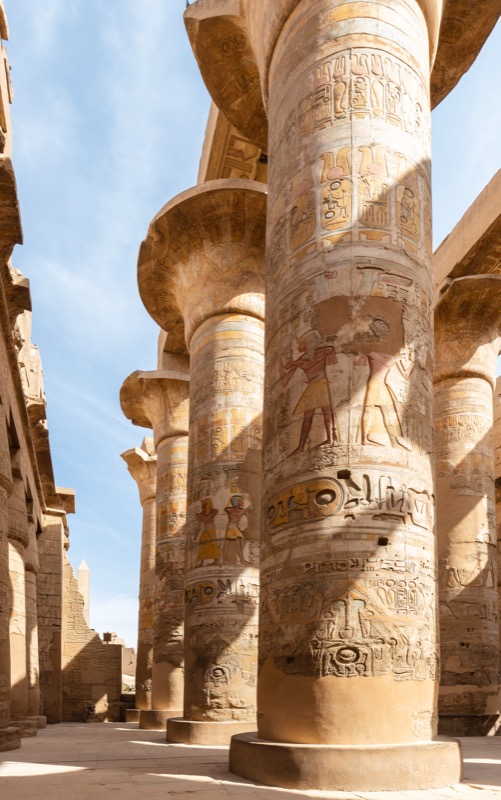
Grand Egyptian Museum (GEM), Giza
The world's largest museum dedicated to a single ancient civilisation. 45 galleries, 100,000+ objects. The Tutankhamun Gallery (Gallery 50) requires a timed-entry supplement above the general admission. Recommended arrival: 8:00 am. Photography permitted in most galleries; no flash anywhere. Admission: EGP 450 general (approx. $9). Open daily 9:00–17:00.
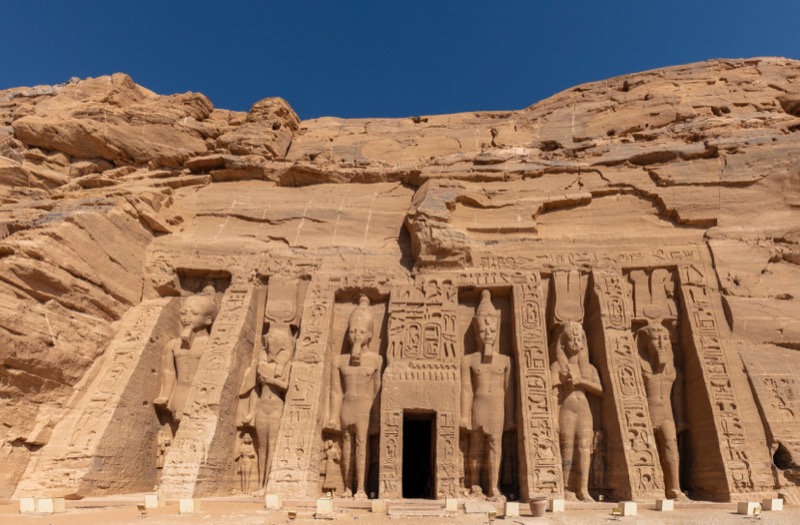
Egyptian Museum, Tahrir Square
Founded 1902. The Amarna Gallery, Yuya-Thuya treasure, and Royal Mummies Gallery (separate admission) remain exceptional. No photography in the mummies gallery. Ground-floor atrium photography permitted. Admission: EGP 300 general. Open daily 9:00–17:00. Significantly less crowded than the GEM.
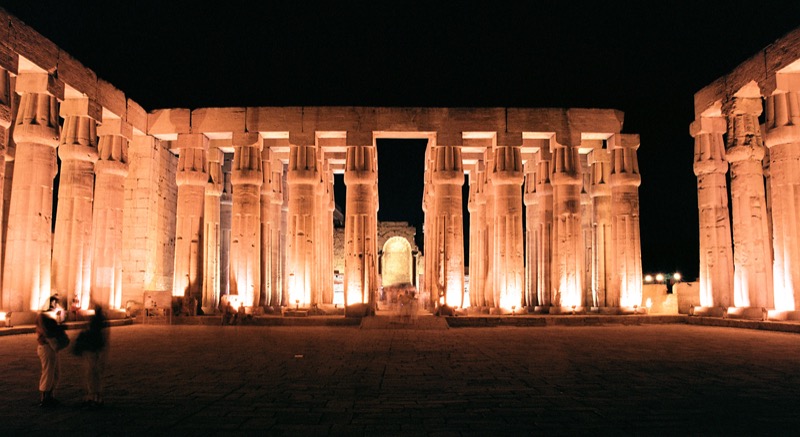
Luxor Museum
Small by comparison but curated to a high standard. The 1989 cache of statues from Luxor Temple and the Akhenaten reconstruction wall are outstanding. Rarely crowded even in peak season. Admission: EGP 200. Open daily 9:00–21:00. Pair with an evening visit to Luxor Temple nearby.
Nubian Museum, Aswan
UNESCO-awarded museum documenting Nubian civilisation, history, and culture — much of it submerged beneath Lake Nasser. A necessary companion to any visit to Abu Simbel. The garden sculptures rescued from flooded sites are remarkable. Admission: EGP 180. Open daily 9:00–17:00 and 18:00–21:00.
Museum Access Information Table
| Museum | City | General Admission | Best Visit Time | Photography |
|---|---|---|---|---|
| Grand Egyptian Museum | Giza | EGP 450 + Tut Gallery EGP 200 | 8:00–10:00 am | Permitted (no flash) |
| Egyptian Museum, Tahrir | Cairo | EGP 300 + Mummies EGP 180 | 9:00–11:00 am | Atrium only |
| Luxor Museum | Luxor | EGP 200 | Evening (after 18:00) | Permitted |
| Nubian Museum | Aswan | EGP 180 | Morning or evening | Permitted |
| Coptic Museum | Cairo (Old Cairo) | EGP 120 | Morning | Restricted areas |
| Bibliotheca Alexandrina | Alexandria | EGP 70 (library) + museums separate | Morning | Permitted |
| Mummification Museum | Luxor | EGP 140 | Afternoon | Permitted |
The Grand Egyptian Museum in Depth
The Grand Egyptian Museum opened its main galleries progressively from 2021, with the full Tutankhamun exhibition unveiled in 2023. The building was designed by the Irish firm Heneghan Peng Architects after an international competition, and its triangular glass facade framing the Giza plateau is immediately striking. Inside, a ceremonial staircase ascends past colossal royal statues — including the 11-metre quartzite colossus of Ramesses II from Memphis — to the upper galleries.
The collection is organised chronologically from the Prehistoric period through to the end of the Pharaonic era, with dedicated galleries for the Old Kingdom, Middle Kingdom, New Kingdom, and Late Period. A Graeco-Roman wing covers the Ptolemaic and Roman occupation. The Tutankhamun Gallery (Gallery 50) displays all 5,000 objects from the intact tomb — a feat of curation that surpasses the Tutankhamun display at the Tahrir museum by an order of magnitude. The golden shrine, the ceremonial beds, the canopic chest with its stoppers of calcite, and of course the famous gold mask and inner coffin are all displayed together in the context of the original tomb's room layout.
For academic or specialist visitors, the museum's research centre maintains a consultation programme. Contact the museum's Academic Relations office directly for access to the study collections.
Planning Your Museum Day in Cairo
Attempting both the GEM and the Tahrir museum in a single day is genuinely gruelling — we advise against it unless your time in Cairo is extremely limited. Each merits a half-day minimum, and a full day each if you have specialist interests. If you must choose one: the GEM for sheer scale and the Tutankhamun collection; the Tahrir museum for atmosphere, the Amarna Gallery, and the mummies. The two sites are approximately 20 kilometres apart by road — 35–50 minutes by taxi depending on Cairo traffic.
Plan your visit timing carefully using our Visitor Tips guide, which covers Cairo transport, heat management, and queue strategies. For a personalised museum itinerary sequenced around your specific interests, see our consultation plans.